
The Adirondacks in upstate New York are one of our favorite destinations, and we get up here most every winter. The trails, lean-tos, and climbing routes are mostly familiar to us now–and we’re getting to know the communities a little bit, too.


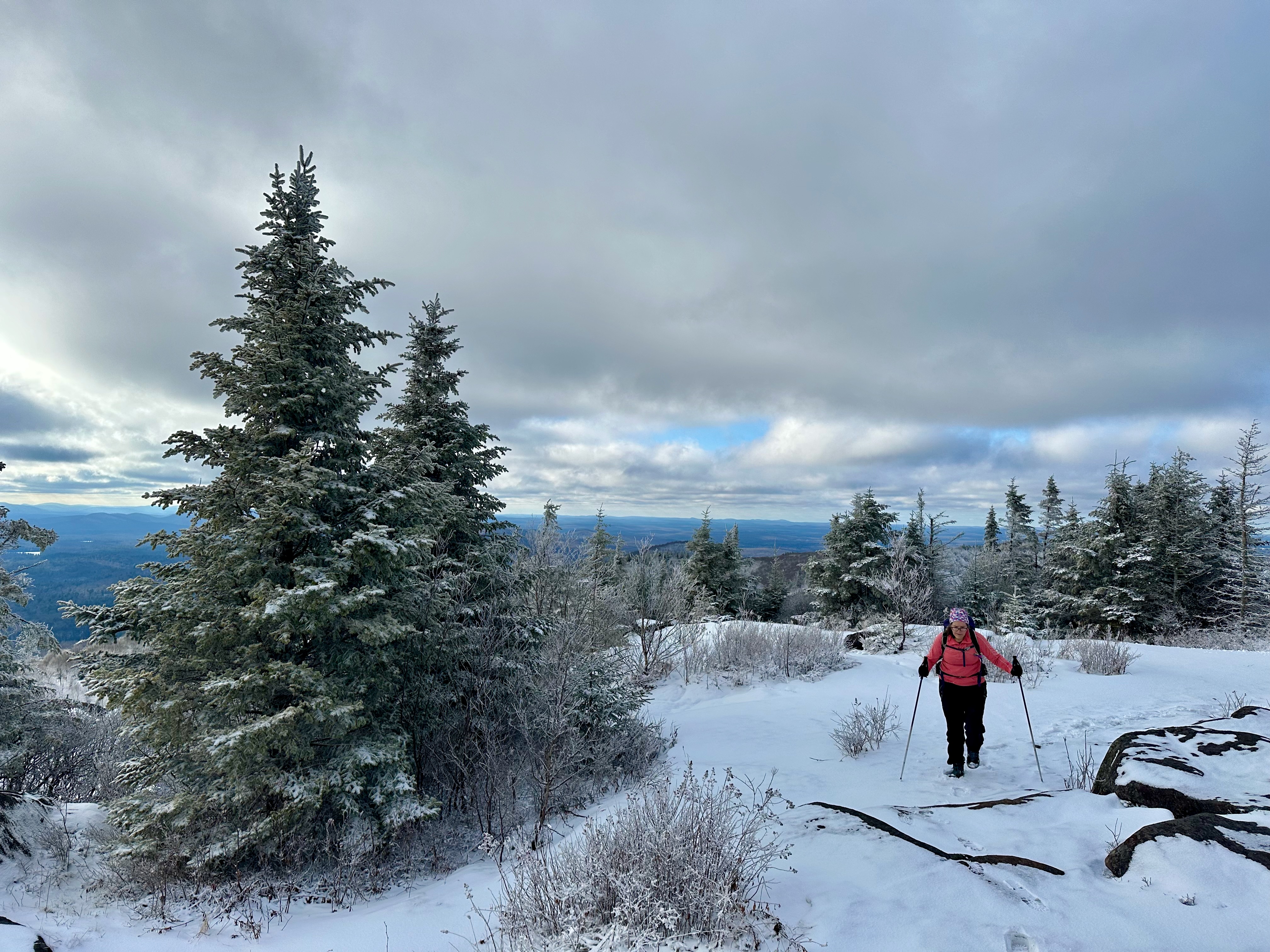
My first trip here was for a winter backpack just after college, and I’ve done a lot of climbing and snowshoeing and skiing since. This year Souzz and I visited twice, a New Year’s trip and then a trip last week that coincided with Winter Carnival. As always, we enjoyed a bunch of outdoor adventures, including ice climbing with the amazing guides at Adirondack Rock and River. The outdoor opportunities are endless.
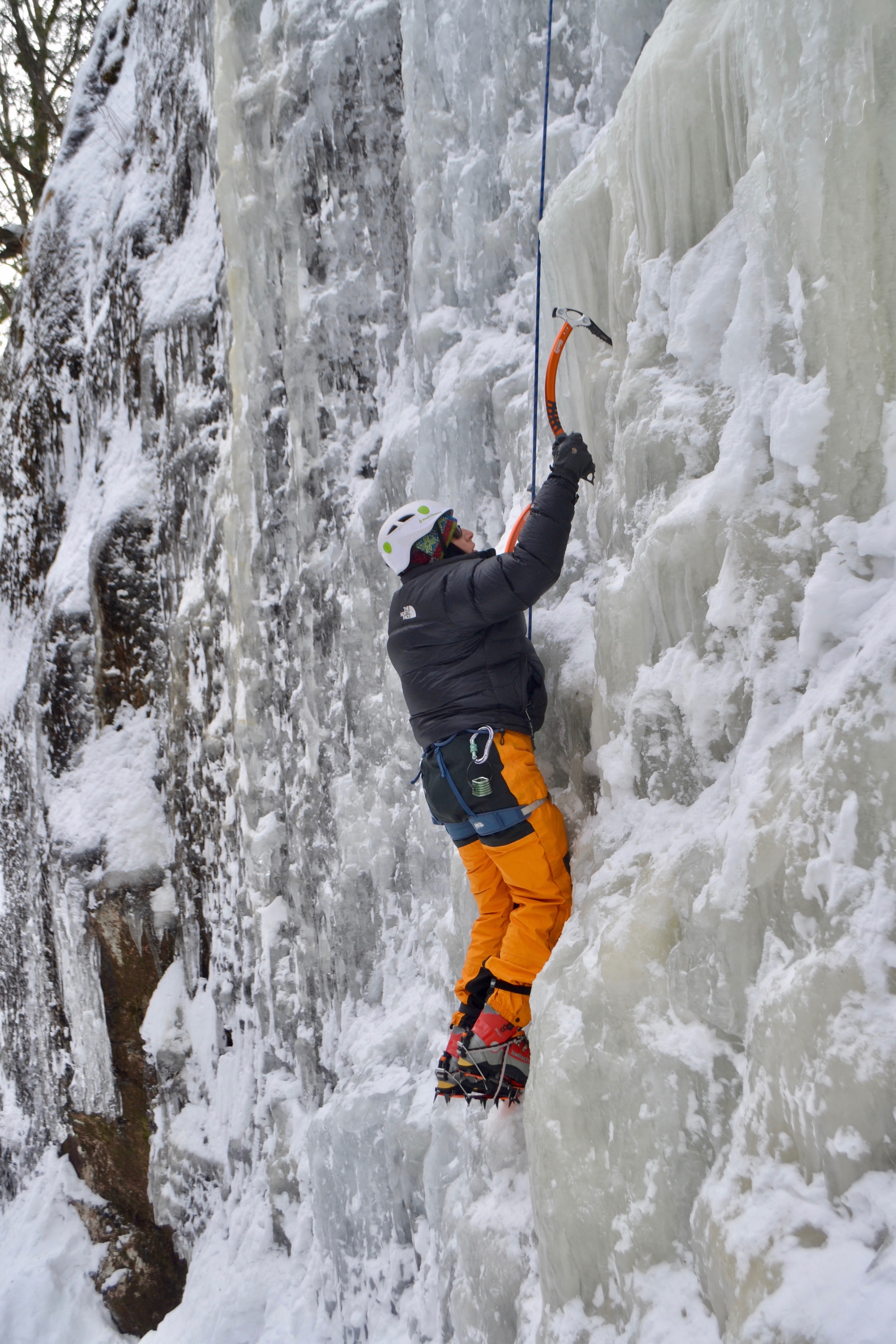
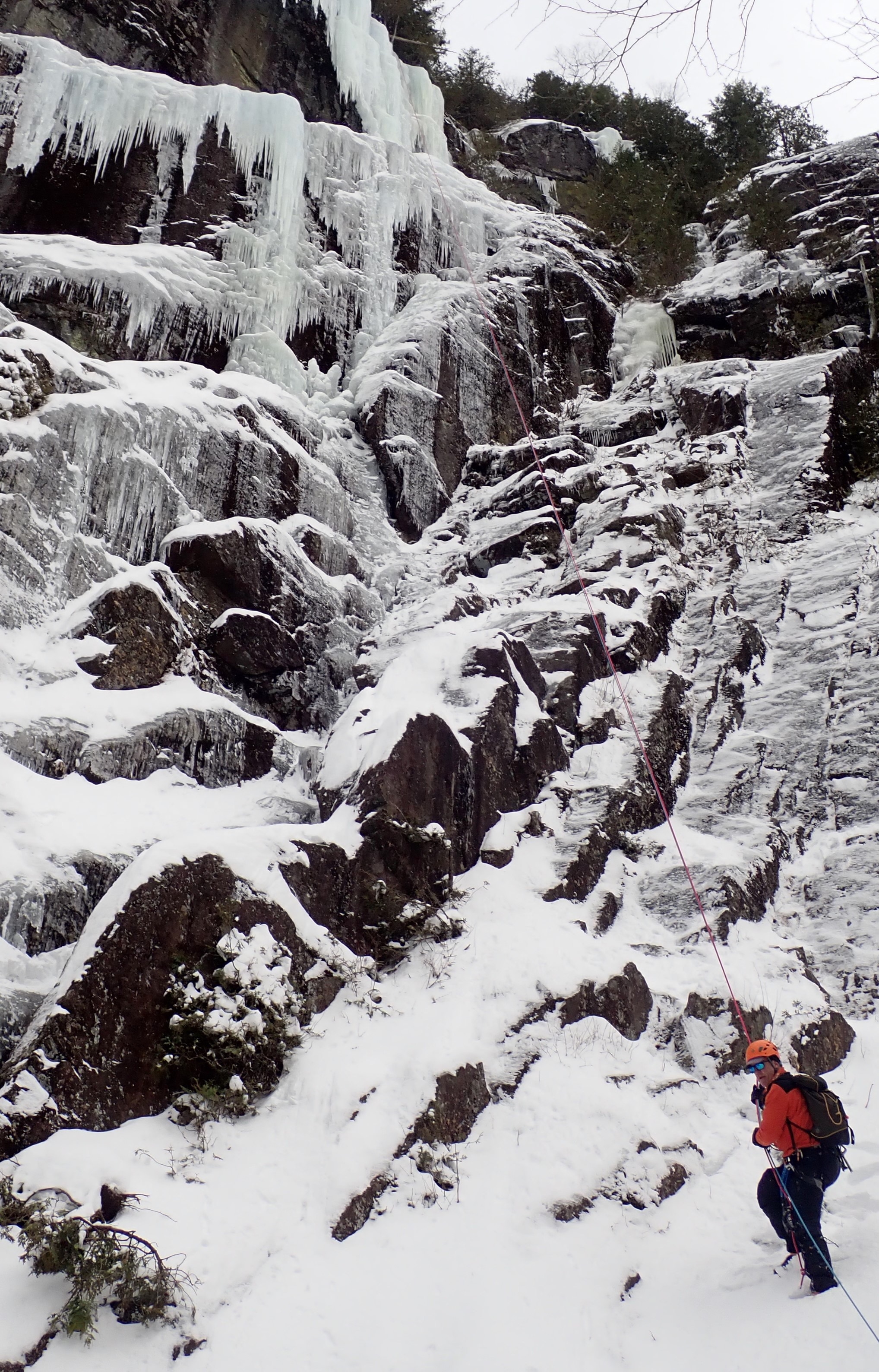
Chapel Pond Canyon

Chapel Pond Canyon
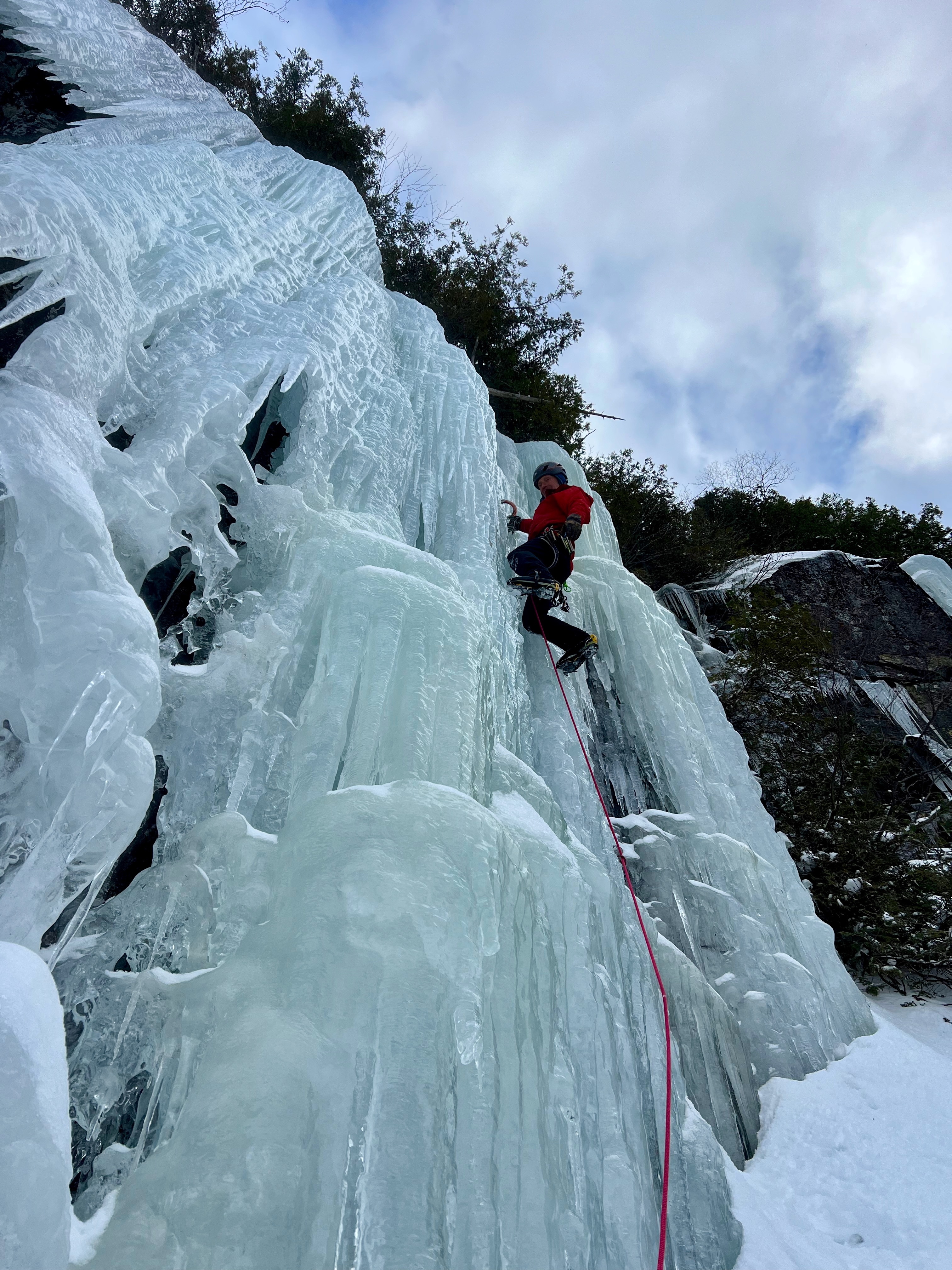

Matt Horner photo

Chapel Pond Canyon



Matt Horner photo

Chapel Pond Canyon

first belay


Wilmington Notch


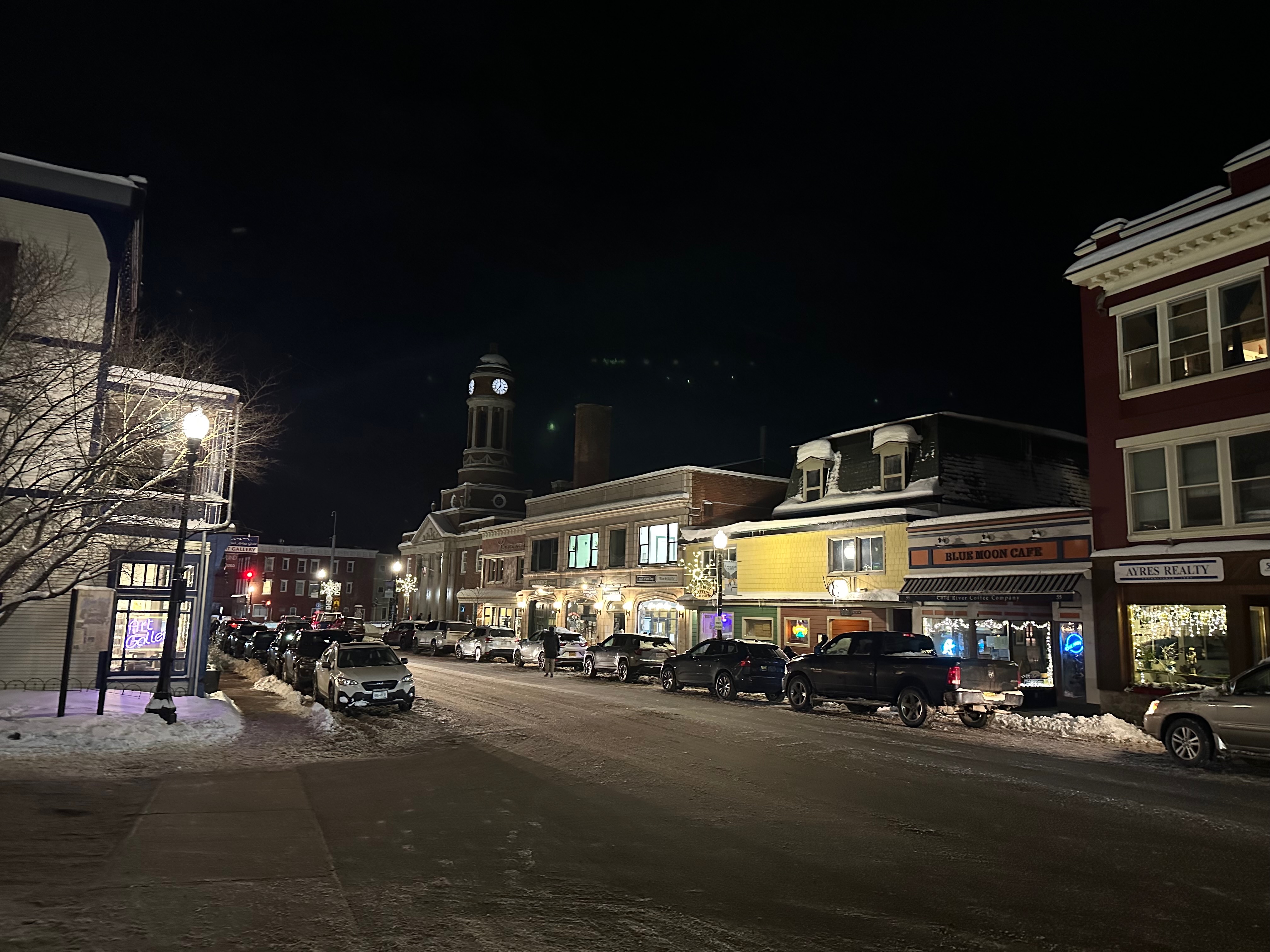
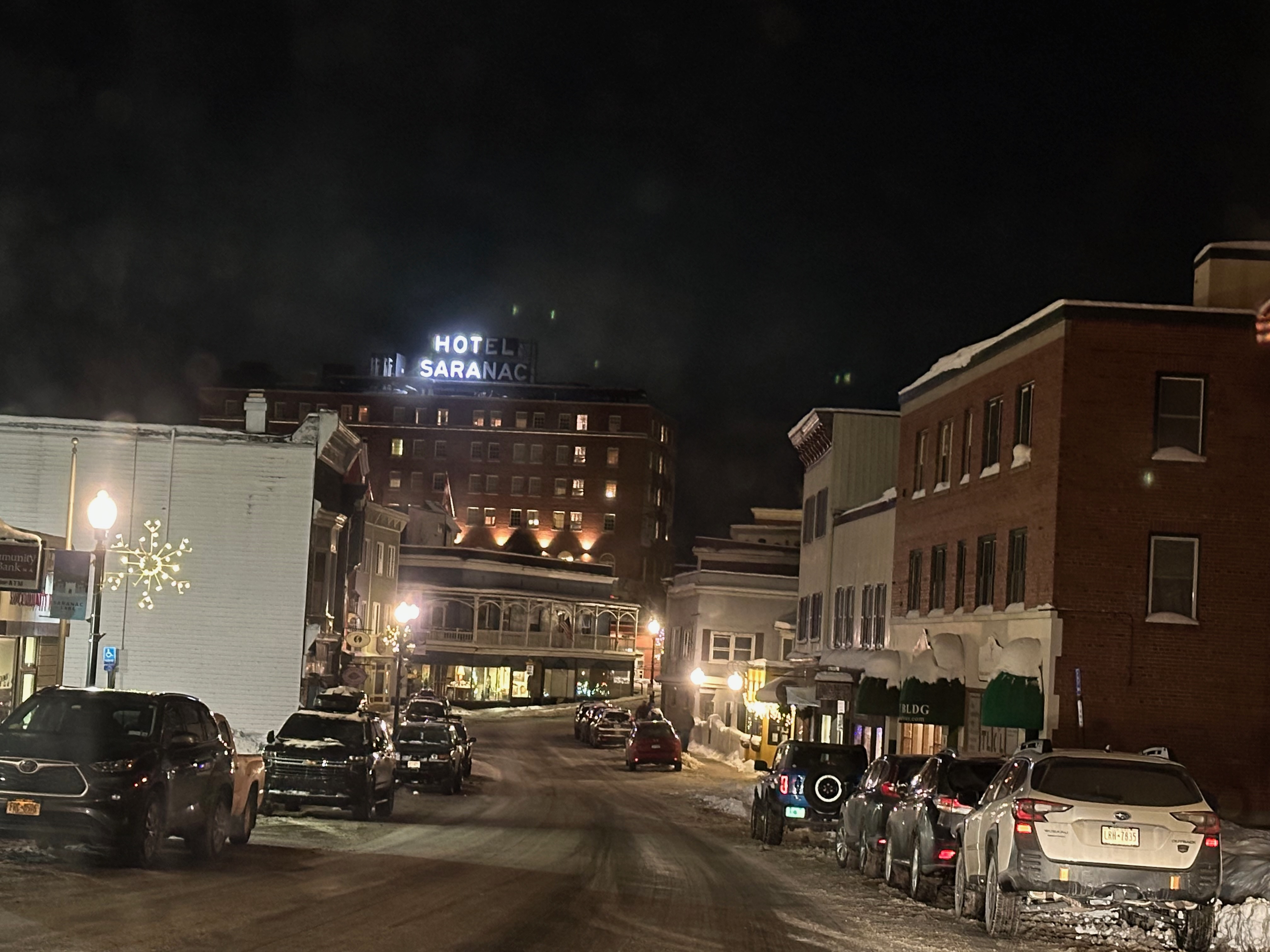
We often stay in Keene or Lake Placid, but this year we based both trips out of Saranac Lake. It’s the largest community in the Adirondack Park (about 5,000 people), so there are plenty of services. There’s also quite a backstory by way of the town’s history with tuberculosis (yes, you read that right). More on that in a bit.
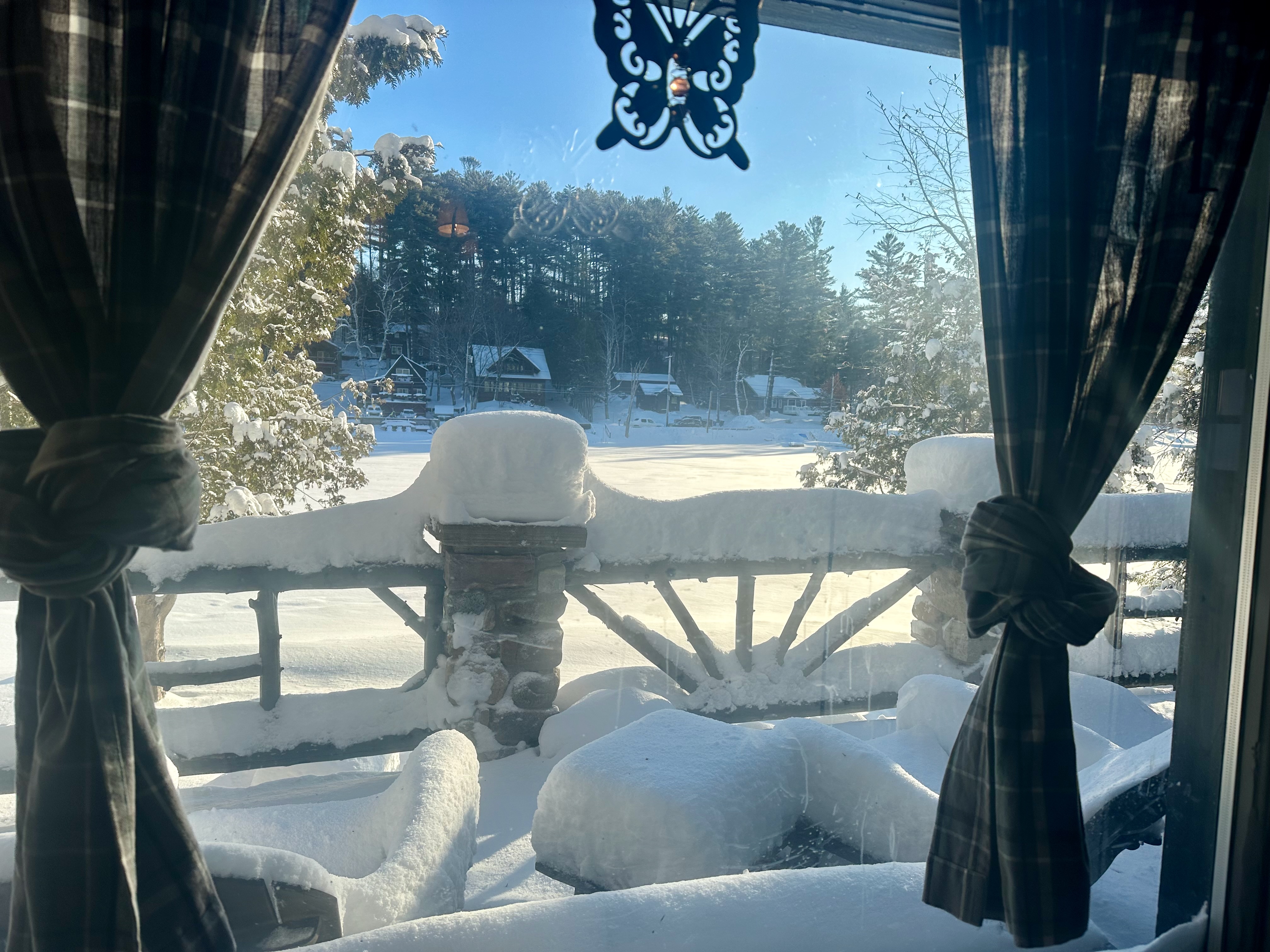
since that’s how it looked when they bought it!
These days, Saranac Lake a lively place with a lot going on. People are friendly and welcoming, and they made us feel right at home. There is a strong sense of community, and we tried (as always) to immerse ourselves. Our visits included live music, a magic show, curling, a hockey game, broom ball, a local Improv troop, dancers, an Agatha Christie play, an outdoor light show, fireworks, ski jumping, John Brown’s Farm, and even a visit with college friends. It felt like we crammed a year into a few weeks, which is just how we like it.


in nearby Tupper Lake


in nearby Tupper Lake

in nearby Tupper Lake


in nearby Lake Placid

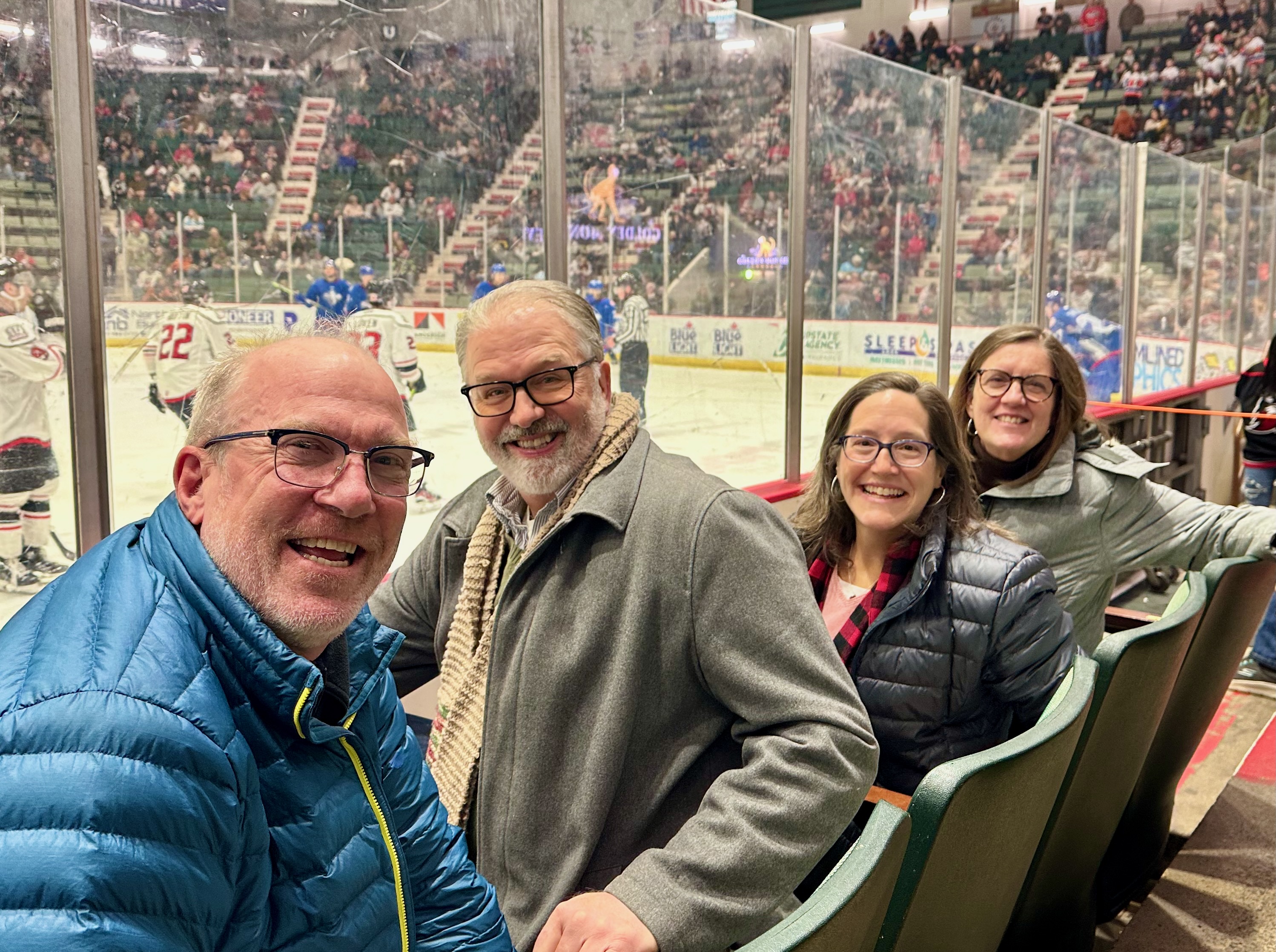
in Glens Falls


John Brown’s Farm in nearby North Elba

in nearby North Elba

photo by Saranac Lake Winter Carnival

photo by Saranac Lake Winter Carnival

Leon Etienne’s Grand Finale


in nearby Lake Placid
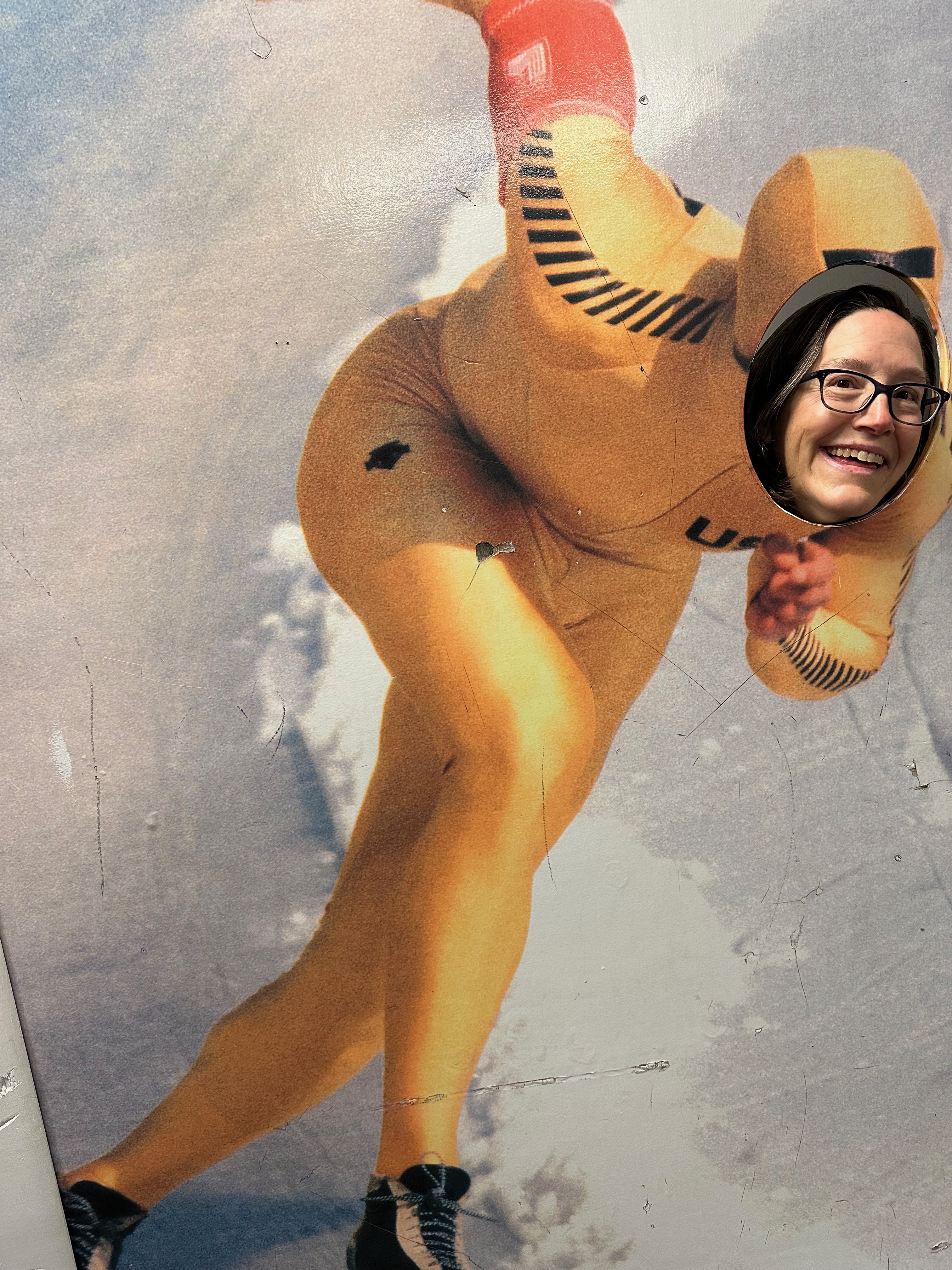
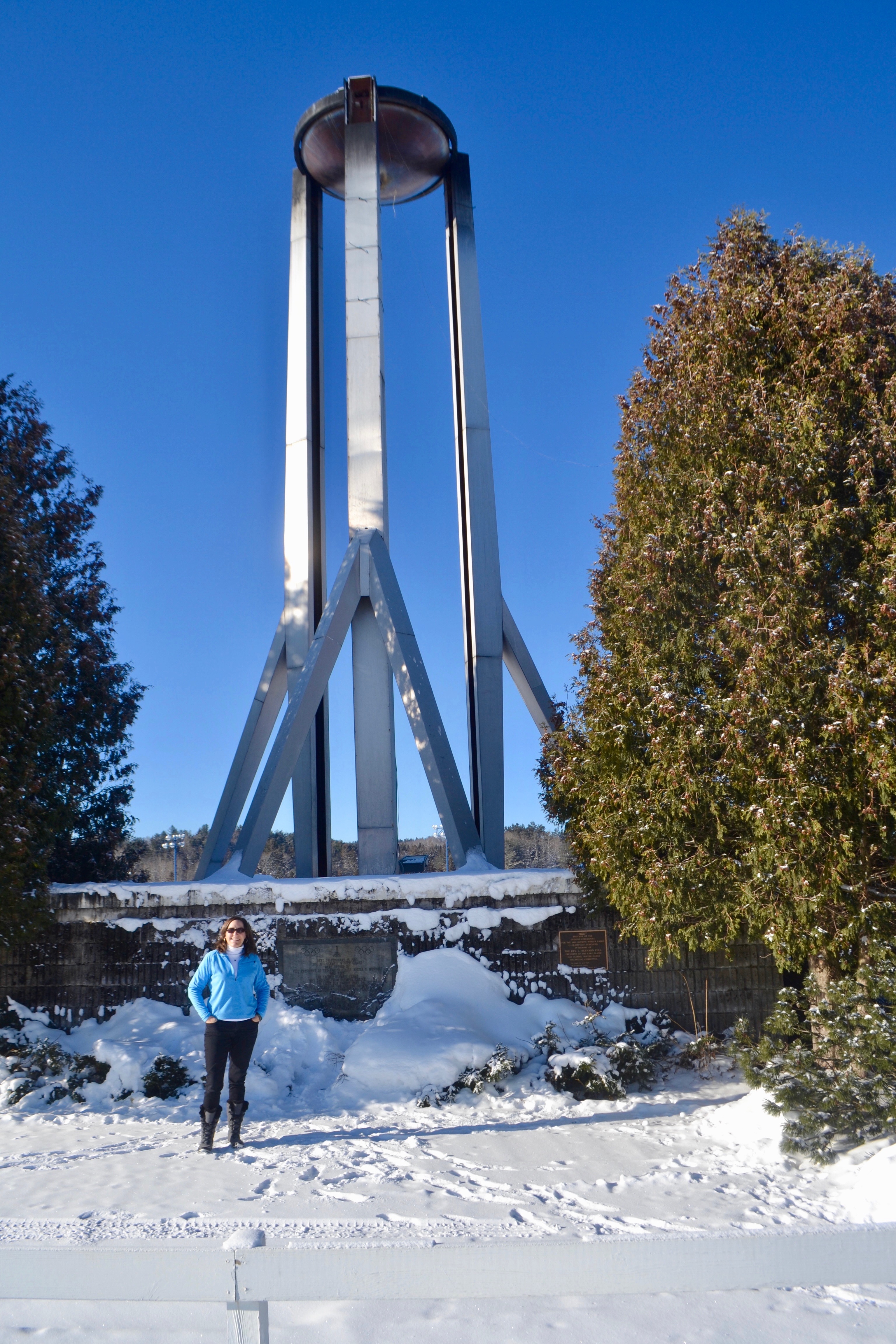
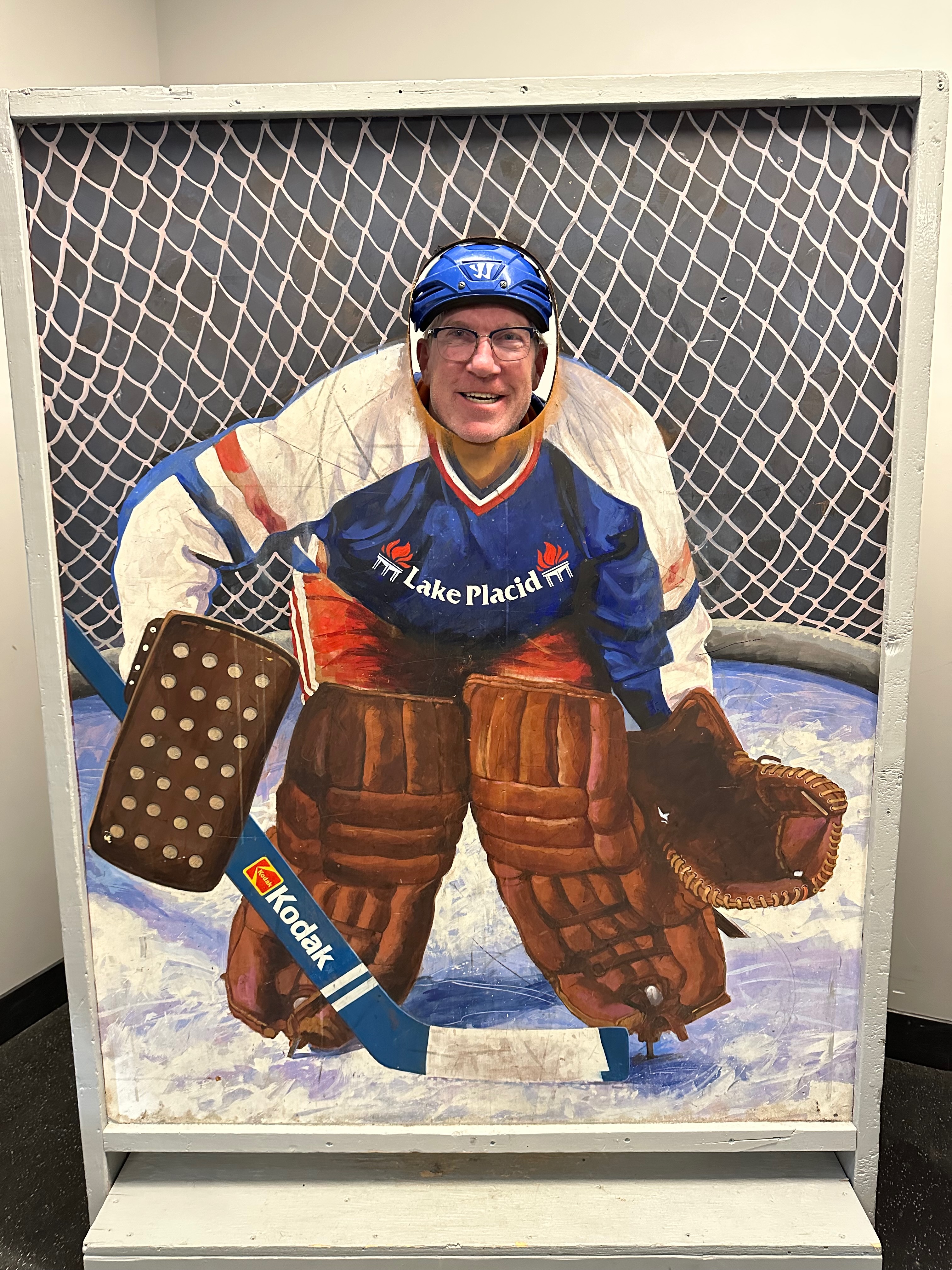
in nearby Lake Placid
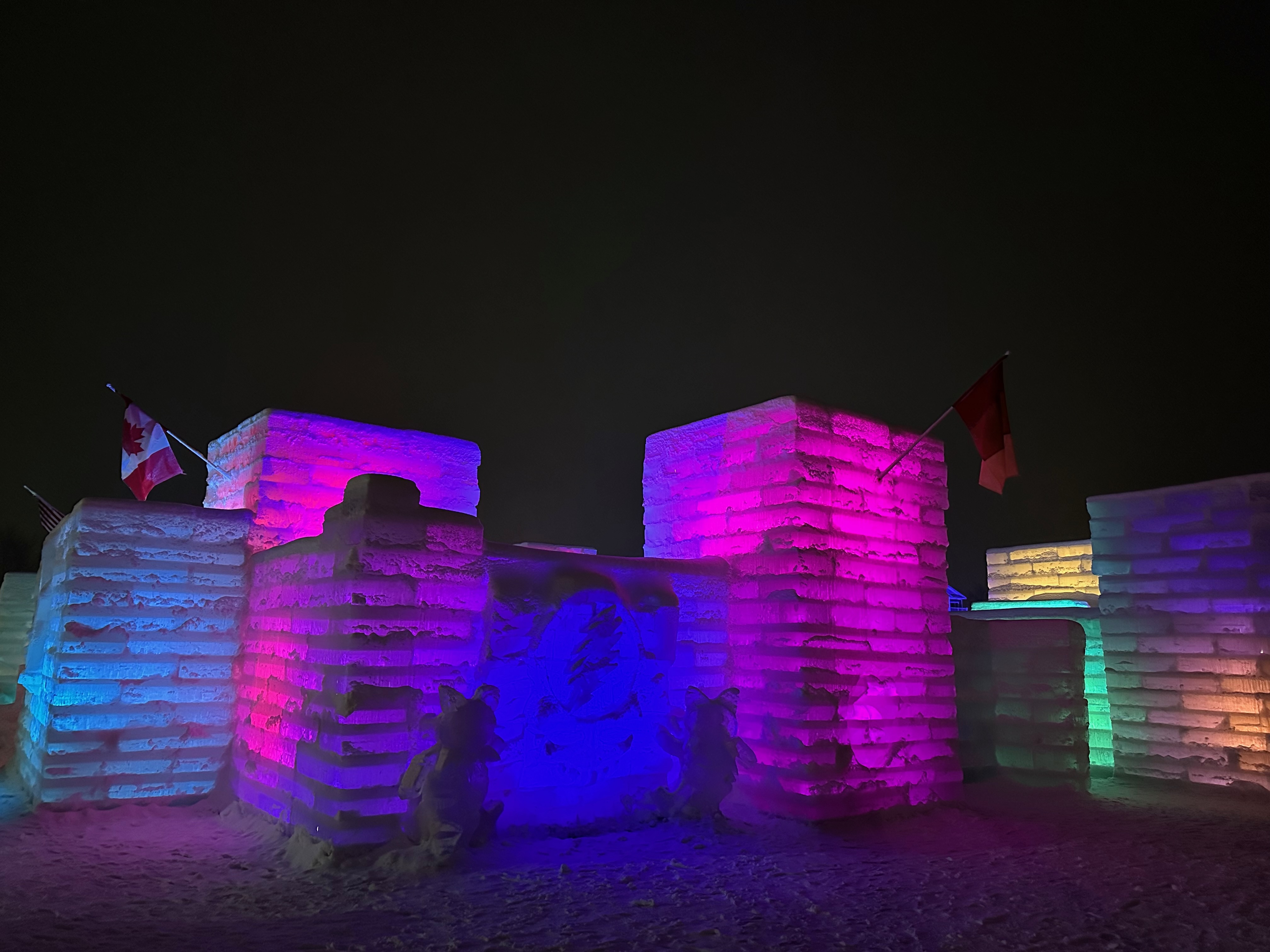
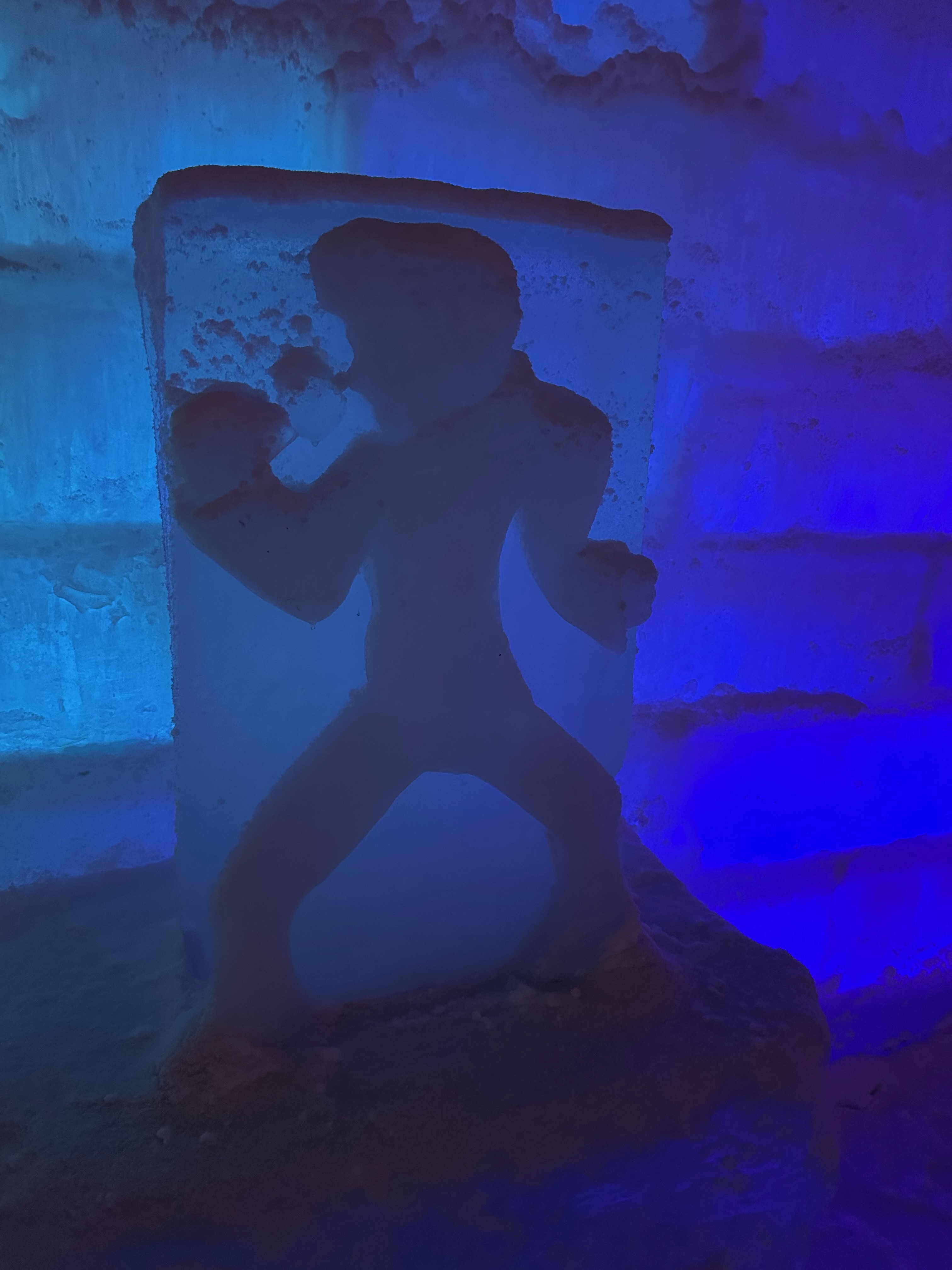
We also stopped by the Ice Palace, one of the central attractions of the Winter Carnival. It was super-cool (literally), and fun to visit day or night (it’s colorfully lit after dark). Winter Carnival here is one of the oldest in the country, dating to 1897. This year’s theme was “Music Legends,” which explains the Elvis silhouette and Rolling Stones lips logo!






Ok, so it’s time for the most awkward segue ever…let’s get back to tuberculosis.
Saranac Lake’s connection with the treatment of tuberculosis (TB), a highly contagious bacterial lung infection, began in the late 1800s. In 1873, a Long Island physician named Edward Livingston Trudeau came to town seeking to recover from his own infection. Prior to modern antibiotics, treatment for TB consisted of isolation, a change of climate, fresh air, and hoping for the best. Sometimes it worked out.

Historic Saranac Lake Collection


Dr. Trudeau had a great outcome, and his health rebounded after a few years–a recovery he credited to the clean mountain air. Inspired by his own return to health, he founded the Adirondack Cottage Sanitarium (later renamed the Trudeau Sanitorium) to treat others with TB. Opening in 1885, the Trudeau Sanitorium was the one of the first of its kind in the country. Trudeau’s guiding philosophy was “to cure sometimes, to relieve often, to comfort always.”

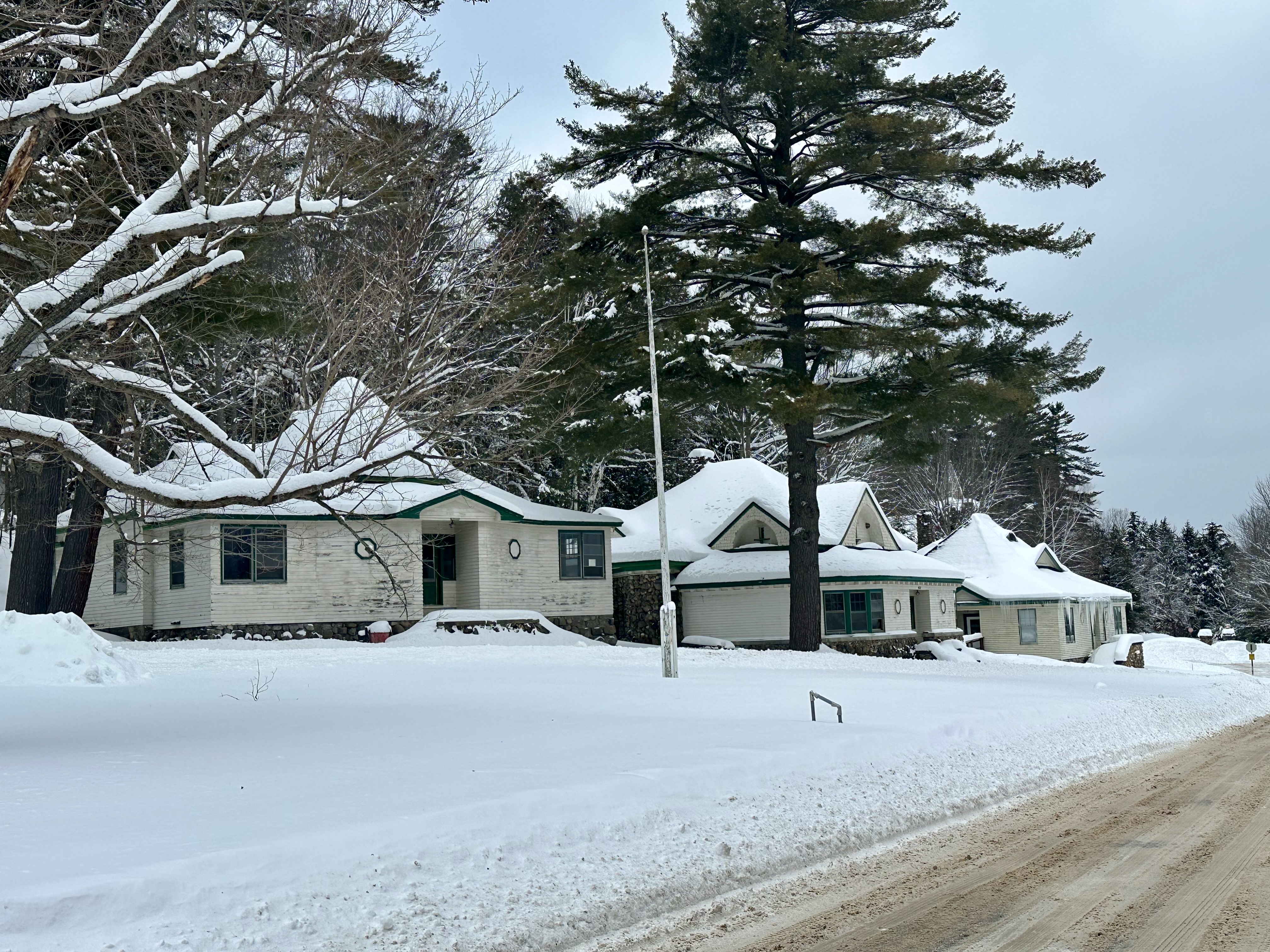

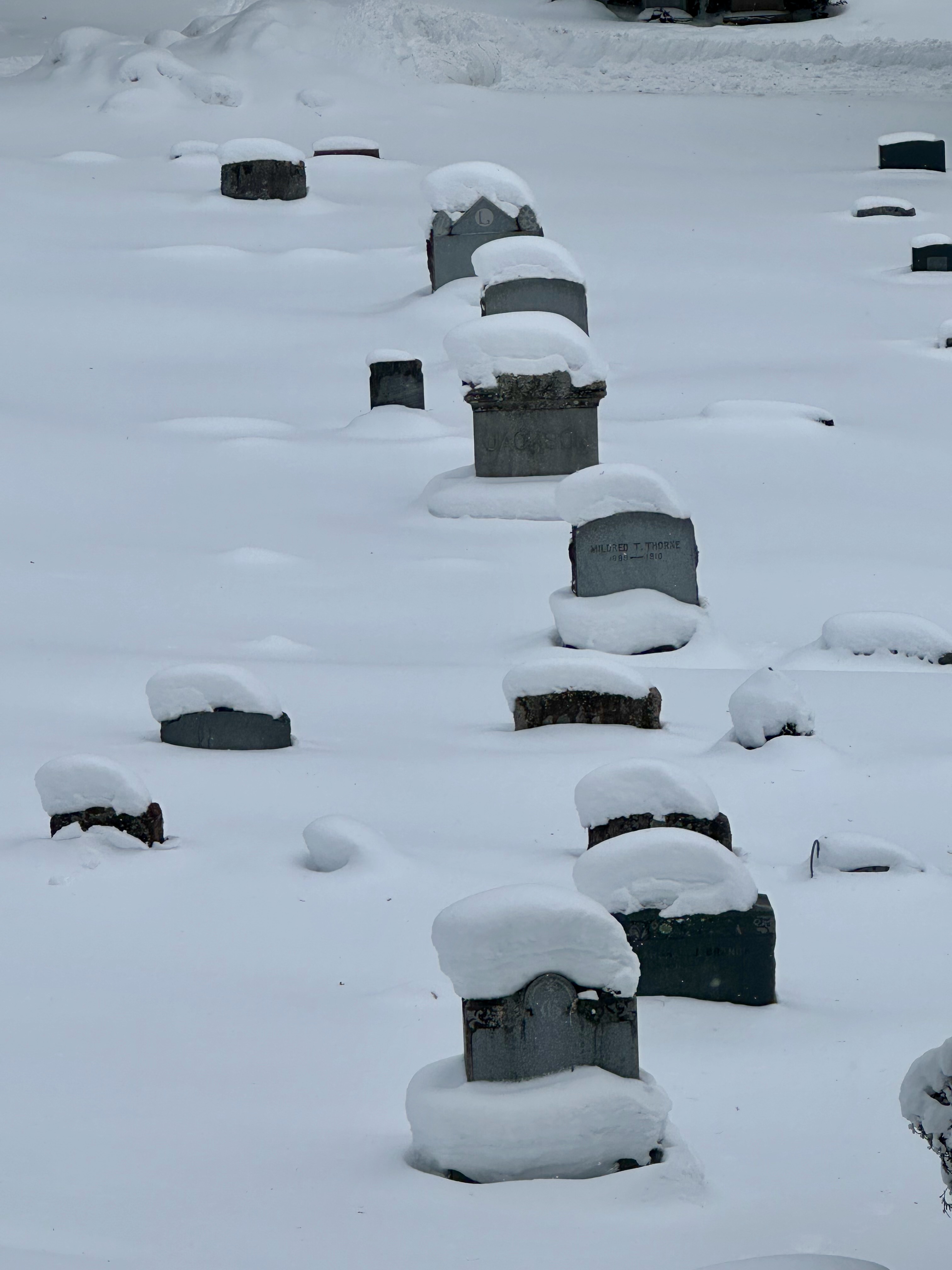
From the late 1880s through World War II, chronically ill people with TB traveled to Saranac Lake to “take the cure.” Some recovered, although many died. A number are buried locally (the cemetery here seems bigger than we would have expected). Driving around town today, you see a lot of cottages with open air porches, so-called “cure cottages.” The town has nearly 200 structures on the National Register of Historic Places, an astounding number for such a small geography.

WikiCommons

Photo by Priscilla Christine Mackay Goss
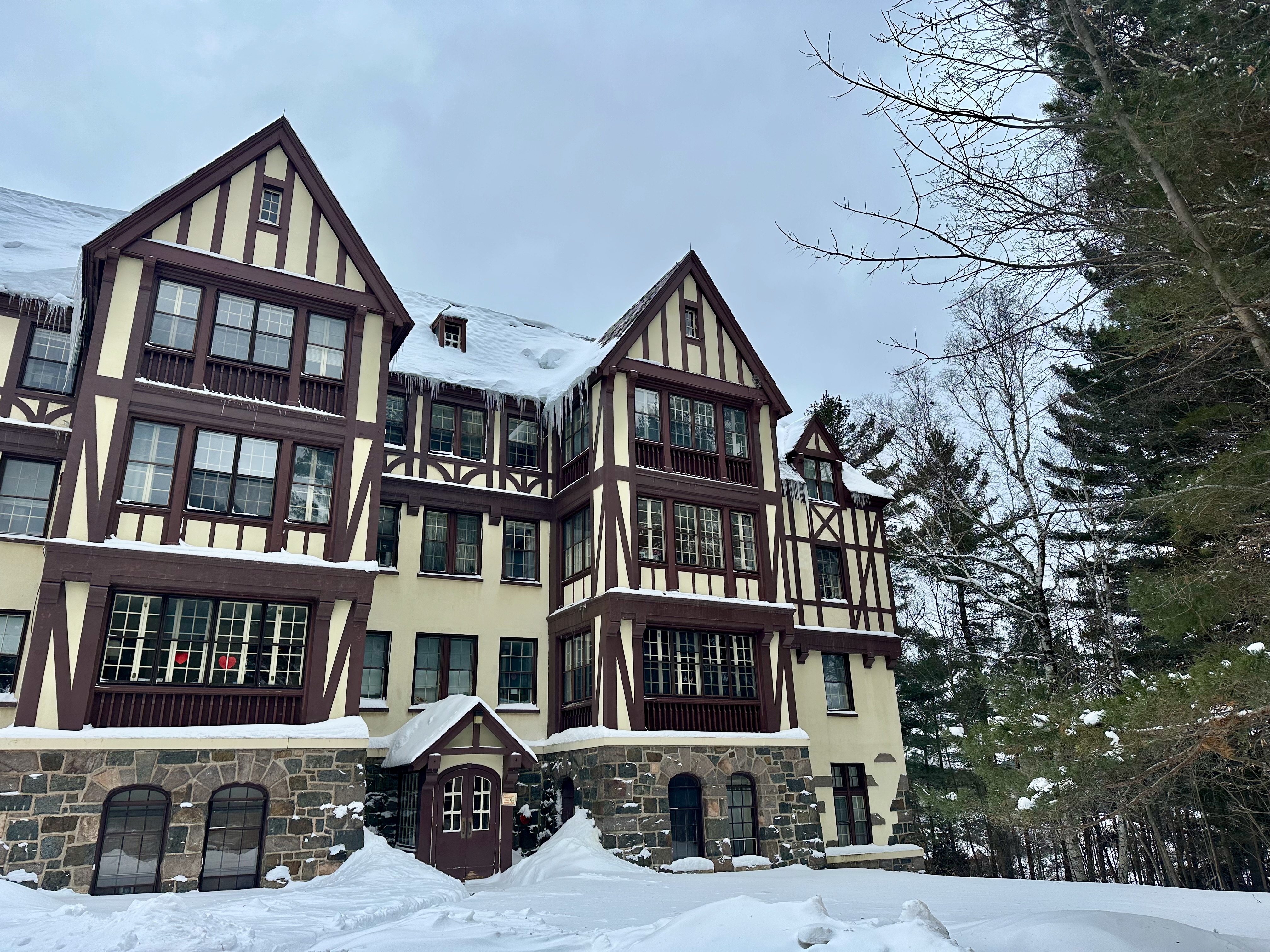
(now an Assisted Living Residence)

Library of Congress

Much of the remarkable history from this era is preserved in the Saranac Laboratory Museum, which is located in the original (1894) laboratory building downtown. The museum’s collection was reassuring to me in that it captured the work of the many helpers. There was also a the strong sense of hope around a disease without an effective treatment. But the loss was profound. That loss was brought home through many personal notes left by museum visitors, each entitled “My TB Story.” Several of these notes are included in the photo gallery below.

now the Saranac Laboratory Museum
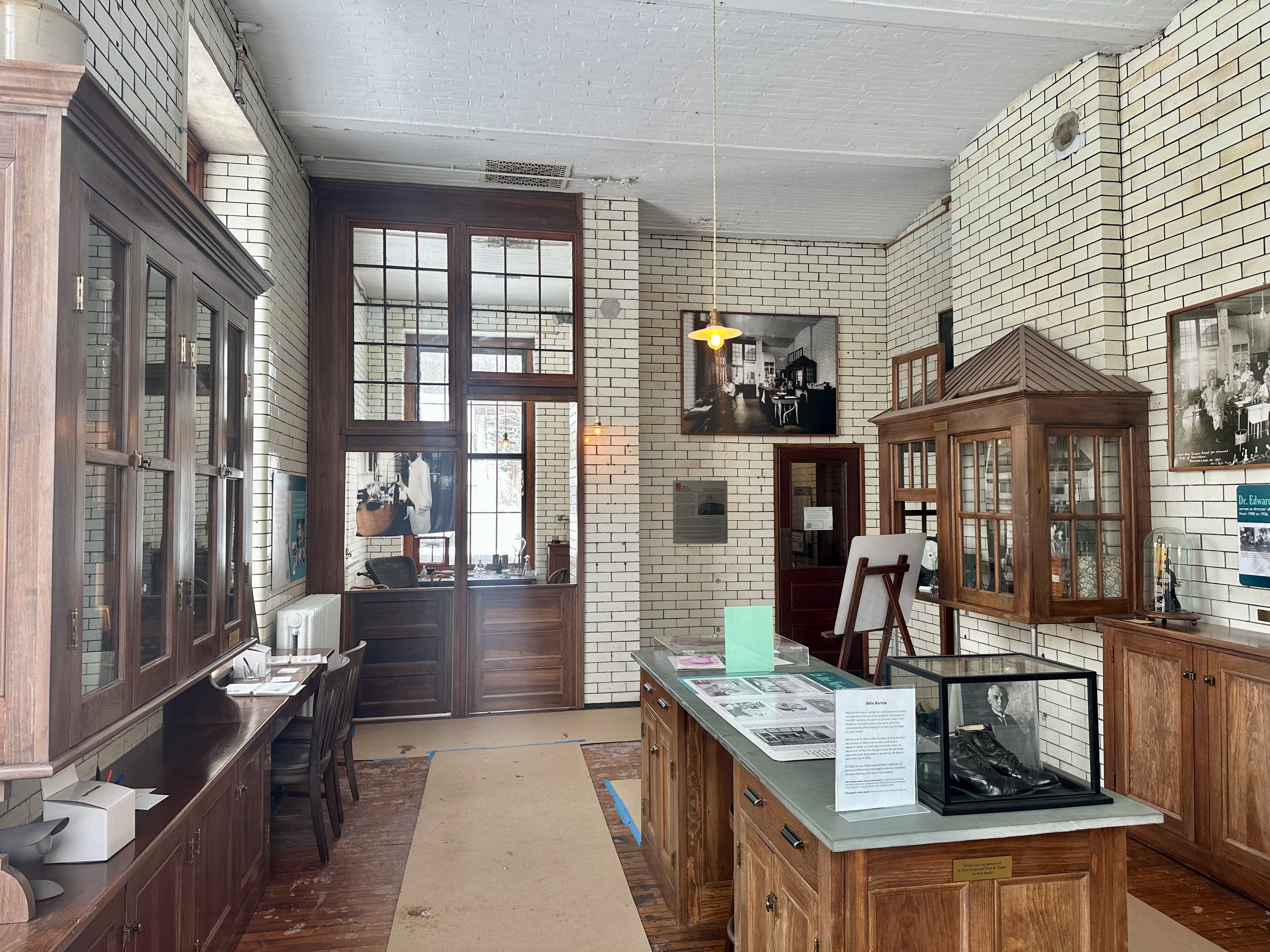


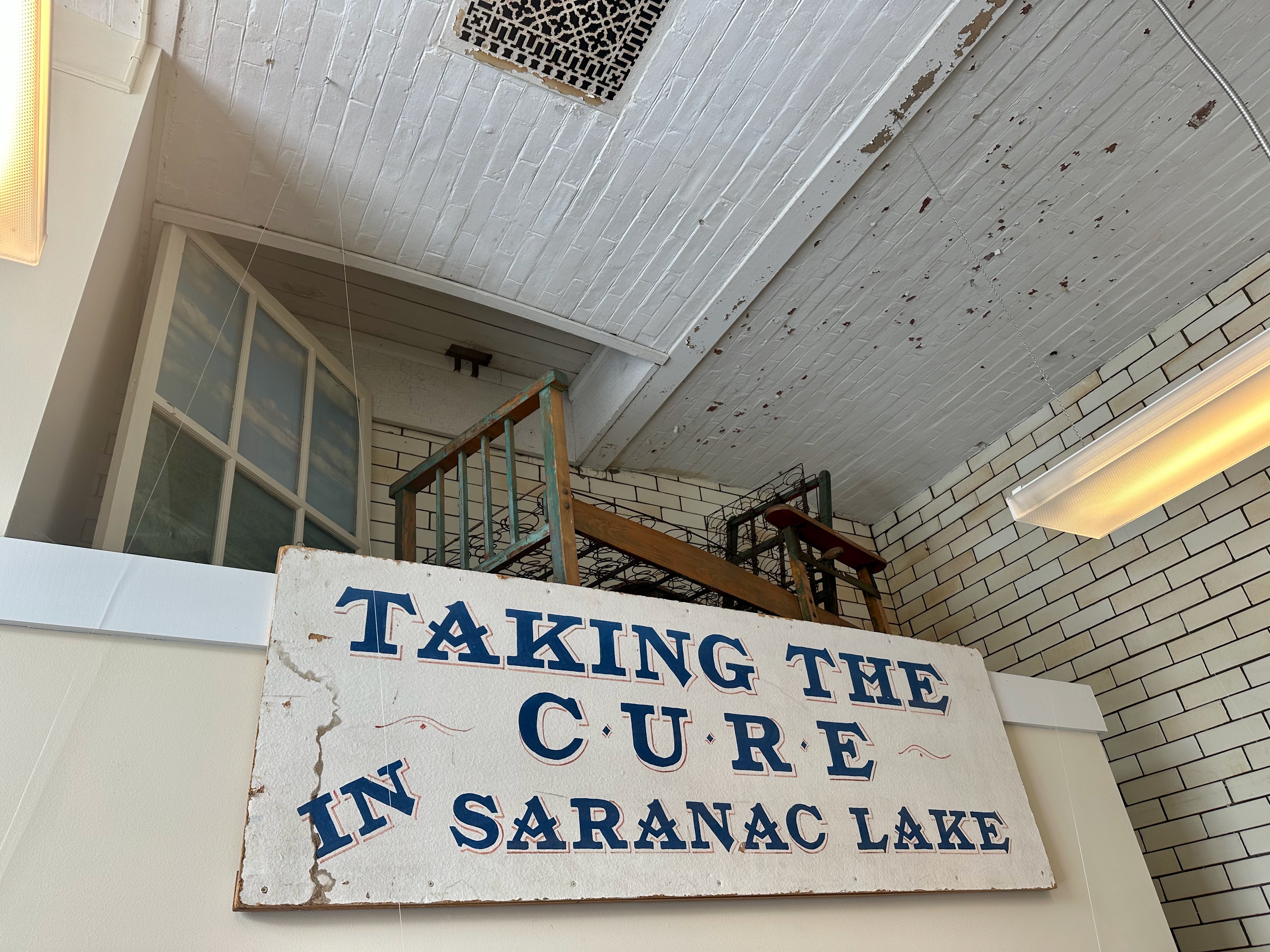

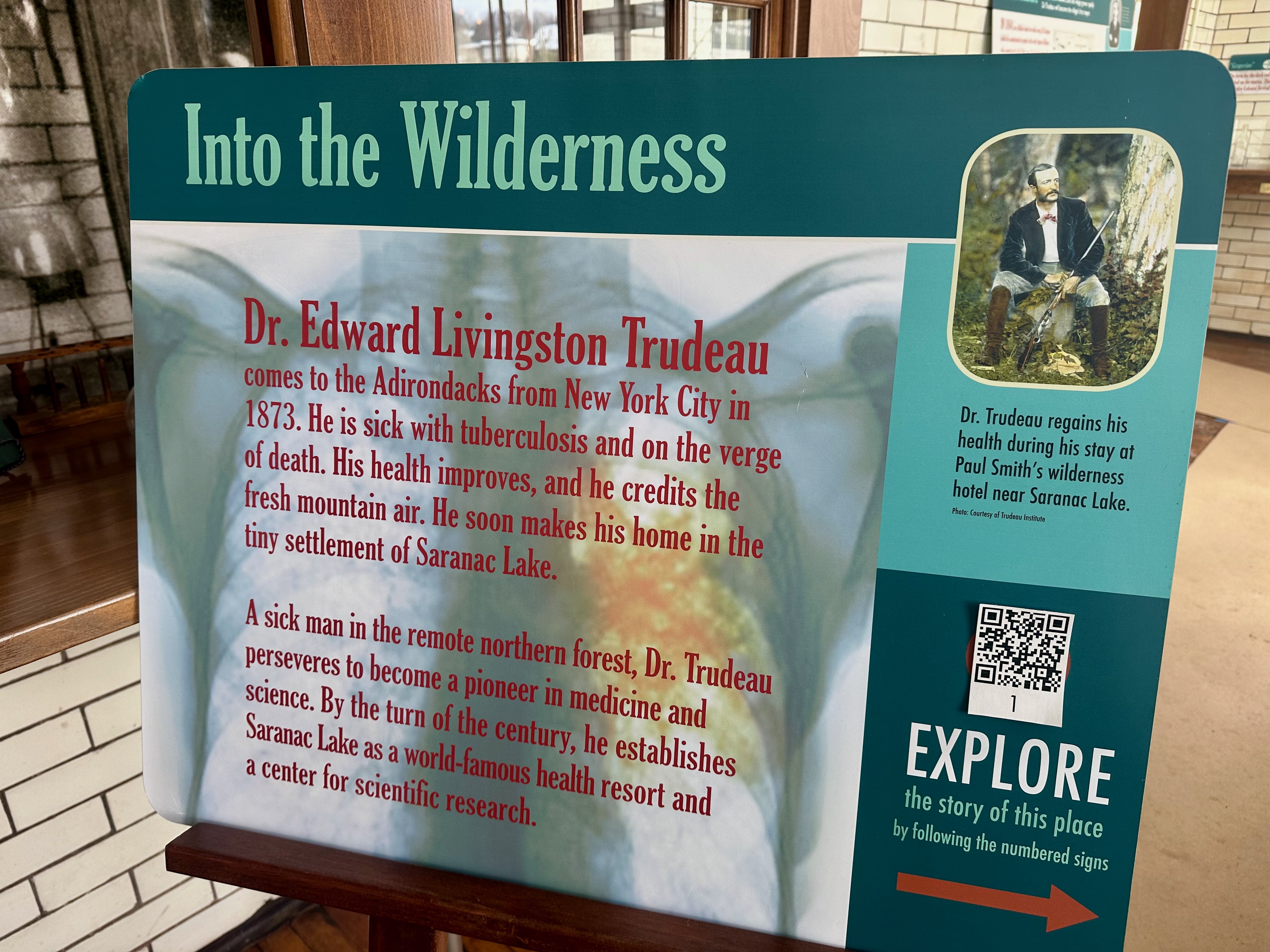

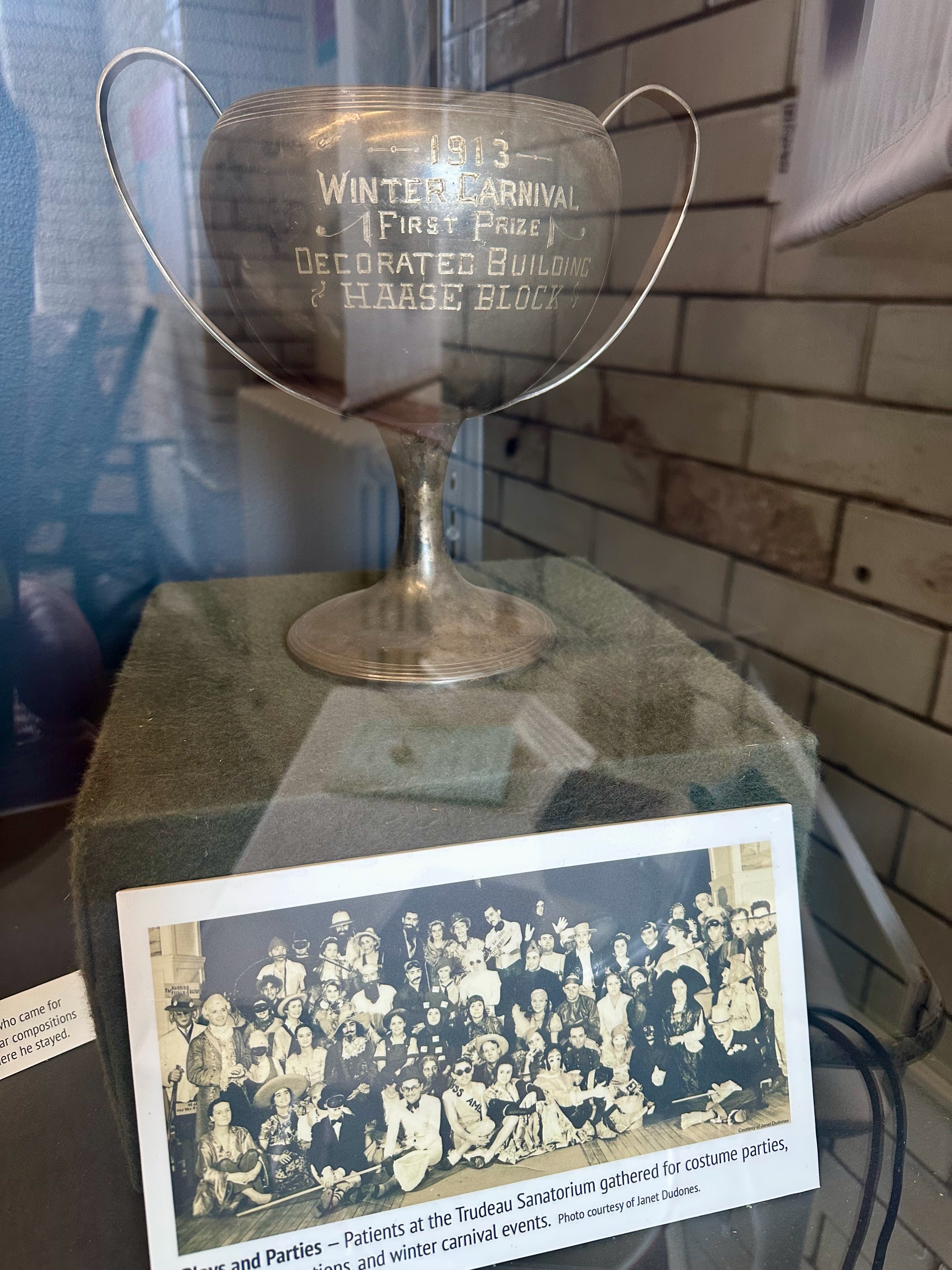
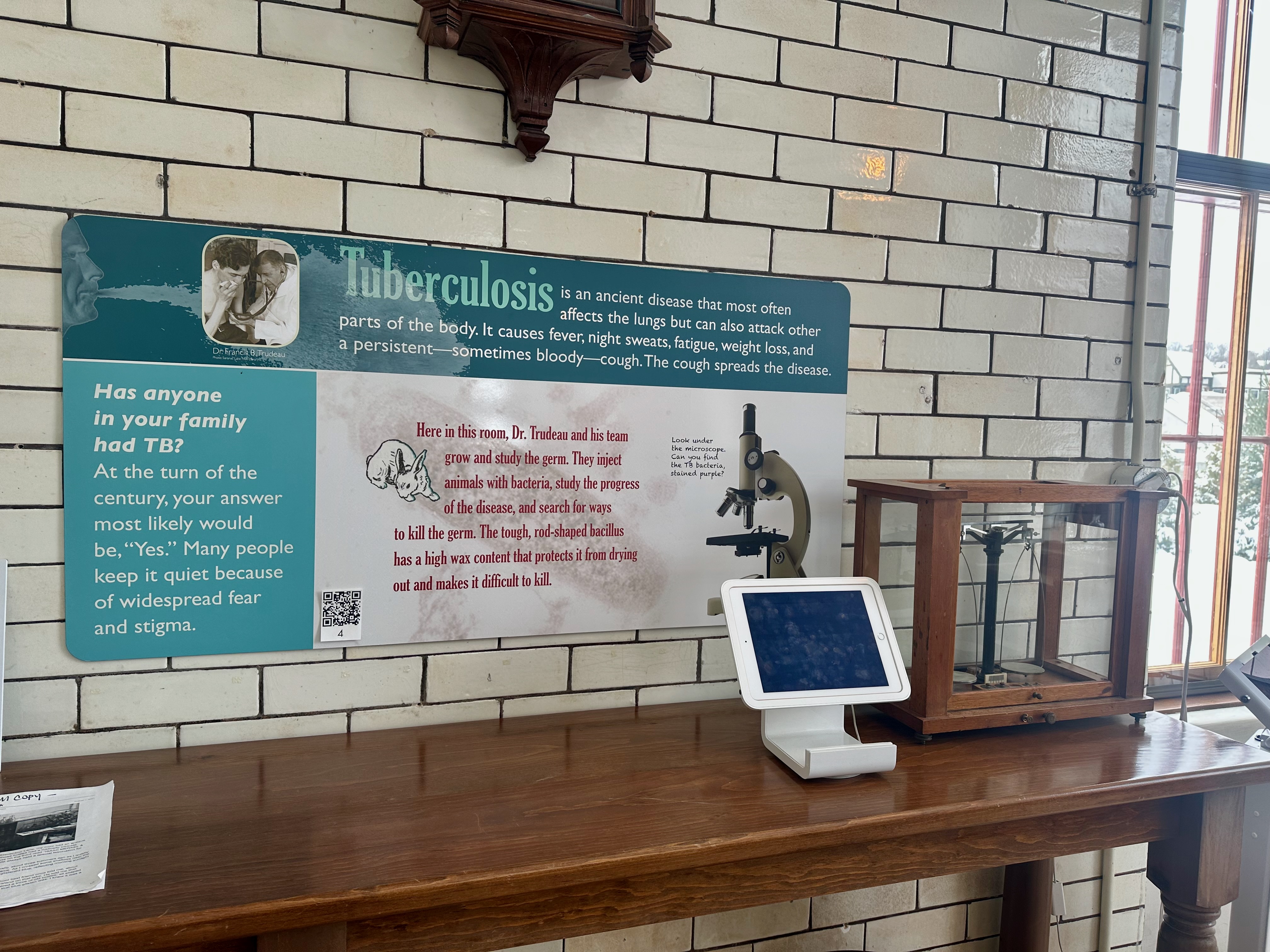
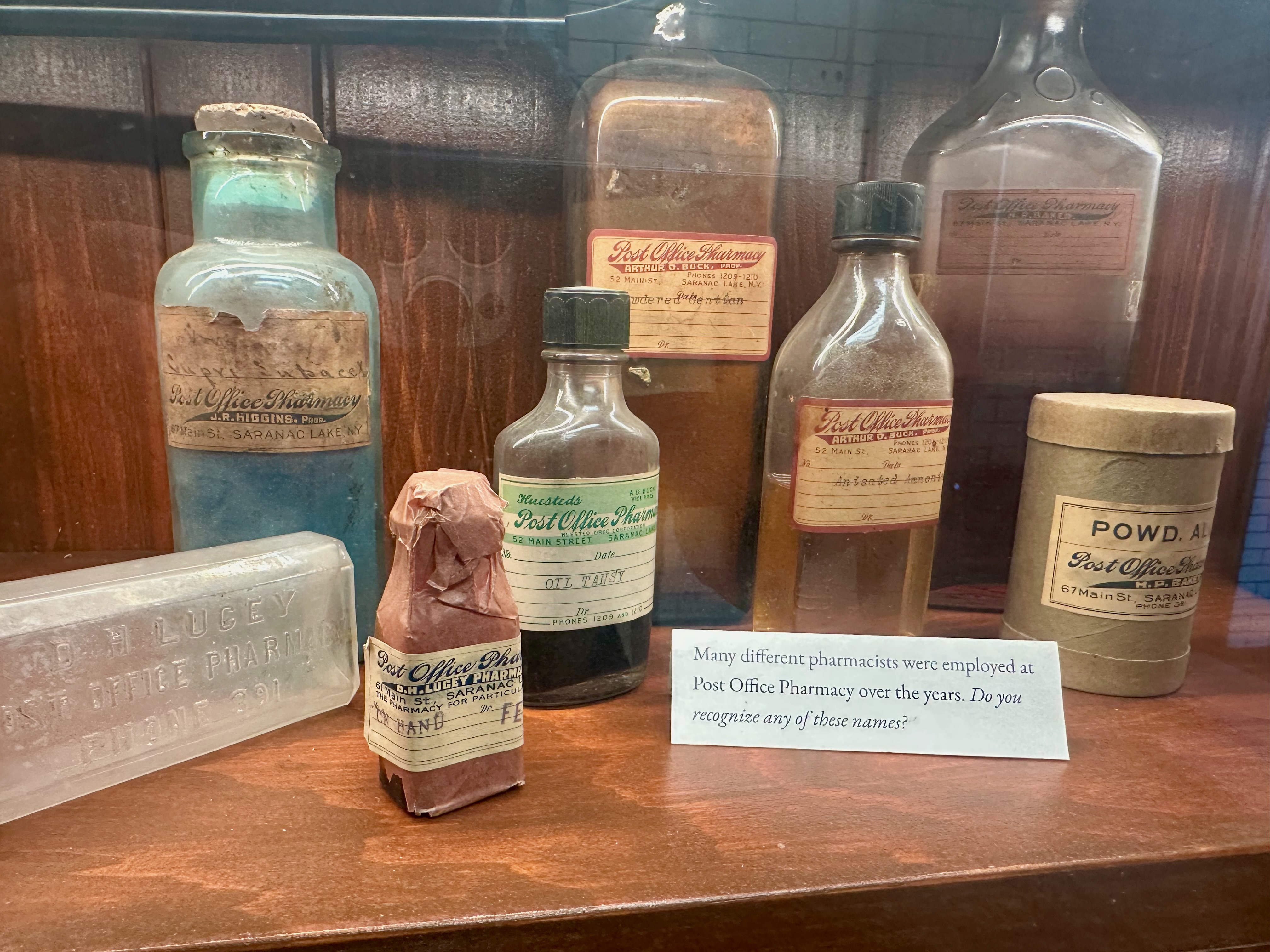


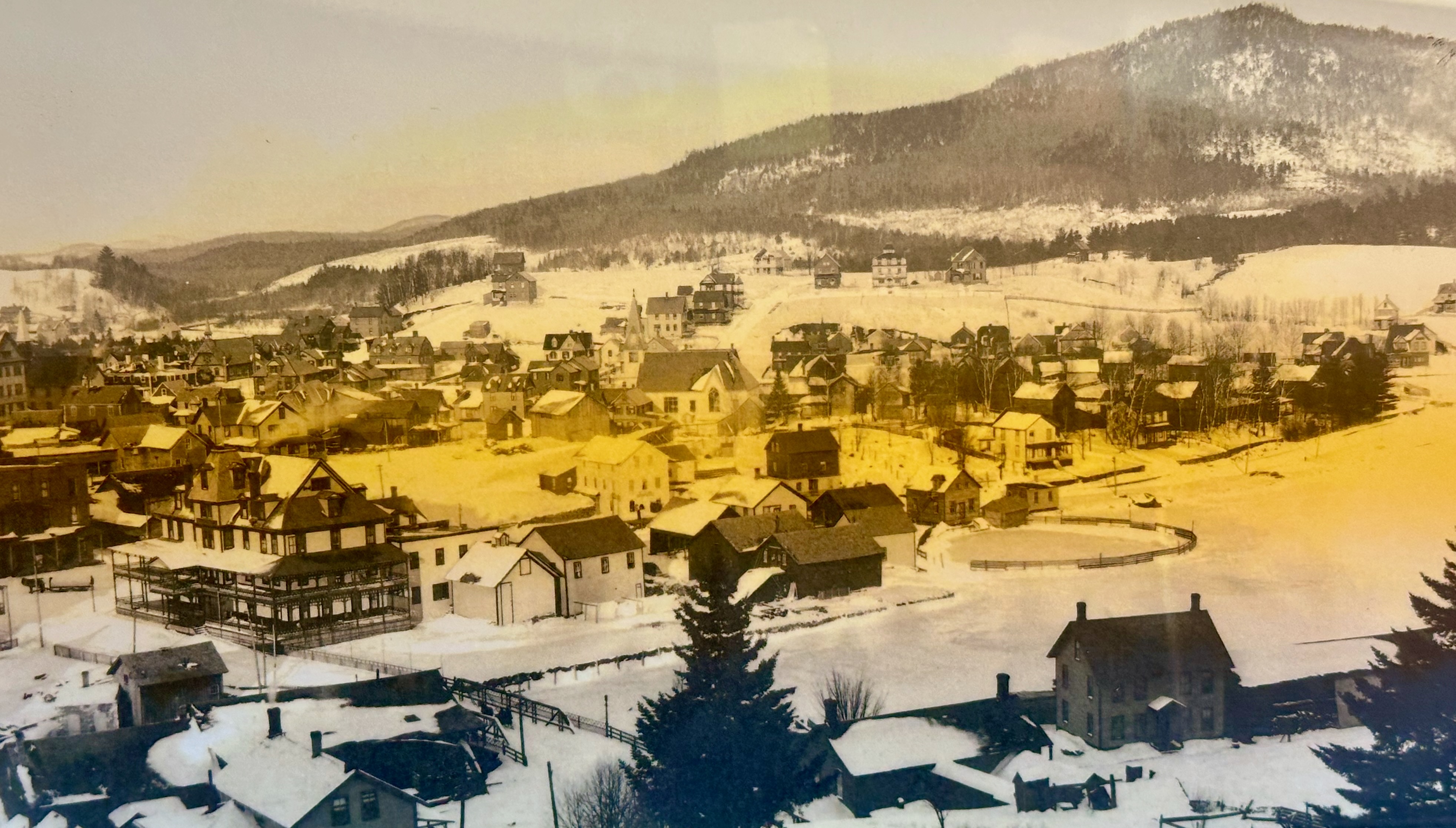
photo from Saranac Lake Free Public Library
Through the museum’s displays, I learned about the discovery of the first effective antibiotic treatment (streptomycin) in 1943. That discovery led to more antibiotics and (thankfully) fewer patients at the Trudeau Sanatorium, which closed in 1954. With more treatment options available, the town’s next chapter began with the opening of a research facility, the Trudeau Institute. It was founded in 1964 and it is still in operation today, with a full time staff of more than 60. In recent times, the Institute was central in the development of both the Zika and the COVID-19 vaccines. That’s quite a life-saving legacy.

We always knew a dose of mountain air could do wonders, but not quite like this. Coming into our trips, we figured we’d discover a new trail or maybe a new climbing route. We didn’t expect to find such a strong community, and we certainly didn’t expect to get schooled in public health. Our visits were a treasure–maybe more. We are living in complicated times, for sure, but sometimes you just have to believe. In our simple pursuit of adventure, we stumbled onto a cure instead.

I love reading about your guys adventures! Keep them coming !:)
We need to share an adventure!!
Interesting and informative as always!
Great stuff thx for sharing